Why protein in your 30s matters more than you think

– 4 min read

Most women are meeting the basic minimum for protein. But 'basic', 'minimum' and 'optimal' are three very different things, and in your 30s, the gap between the two starts to matter in ways that are hard to ignore. Here's what the science actually says.
If you've been eating the same way you did at 22 and wondering why your energy, body composition, or mood feels different, protein might be the missing piece of the puzzle.
Most women meet the basic minimum for protein, but basic and optimal are very different targets, and the gap starts to matter more from your 30s onward.
Your takeaway: for a 65kg woman, that's roughly 78 to 104g of protein a day, spread across meals rather than eaten in one sitting. Whole food sources like eggs, fish, Greek yoghurt, and legumes should be the foundation of your intake, they come with the added benefit of other nutrients your body needs, rather than protein in isolation. The standard recommendations were built as a floor, not a ceiling, eating more is one of the most evidence backed things you can do for your long term health.
Your 30s are when several key physiological shifts quietly begin.
Muscle mass starts to decline, hormone fluctuations become more pronounced, blood sugar regulation becomes less forgiving, and your metabolism begins to change.
None of these are dramatic overnight shifts, but they are cumulative. and protein is one of the most powerful nutritional tools for addressing all of them.
Here's something most women don't know: we begin losing skeletal muscle mass gradually from around our mid-30s onwards, at a rate of roughly 0.5 to 1% per year.
This process, known as sarcopenia, accelerates significantly after 50. But the choices you make now determine how much muscle you carry into later decades.
Research consistently shows that higher protein intake, specifically around 1.2 g per kilogram of body weight per day rather than the standard 0.8 g recommendation, is more effective at preserving muscle mass and supporting physical function in women.
The standard RDA was designed to prevent deficiency, not to support optimal health in active, ageing women.
Muscle isn't just about aesthetics either. It's an active metabolic organ. More muscle means a more efficient metabolism, better blood sugar regulation, and greater resilience as you age.
The connection between protein and hormonal health is one of the most underappreciated in women's nutrition.
Protein provides the amino acids your body uses to produce hormones and neurotransmitters. Tryptophan, for example, is a precursor to serotonin, which influences mood, sleep, and appetite.
Without adequate protein, your body is essentially working with fewer raw materials to keep your hormonal systems running smoothly.
Protein also supports the liver's ability to process and clear excess oestrogen from the body, which plays a role in hormonal balance.
And adequate intake helps regulate progesterone and oestrogen levels more broadly, particularly during the hormonal fluctuations that characterise the late 30s and early 40s.
This one matters more than most people realise. Protein slows the absorption of carbohydrates, which helps prevent the sharp blood sugar spikes and crashes that drive energy dips, cravings, and mood swings.
When blood sugar is unstable, cortisol, your stress hormone, is often recruited to compensate. Chronically elevated cortisol is associated with disrupted sleep, increased fat storage around the midsection, and worsened hormonal symptoms.
Eating enough protein at each meal, particularly at breakfast, is one of the most evidence-backed strategies for maintaining steady energy, reducing cravings, and supporting a calmer cortisol response throughout the day.
The standard UK recommendation is 0.75 g of protein per kilogram of body weight per day, which translates to around 45 g daily for most women.
This is enough to prevent deficiency. It is not enough for optimal muscle preservation, hormonal health, or metabolic function.
Most researchers and registered dietitians now suggest that women aiming for optimal health rather than basic sufficiency should target closer to 1.2 to 1.6 g per kilogram of body weight daily.
For a 65 kg woman, that means roughly 78 to 104 g of protein per day, spread across meals.
Not all protein is equal.
Here are the most nutrient-dense, practical sources to build your intake around:
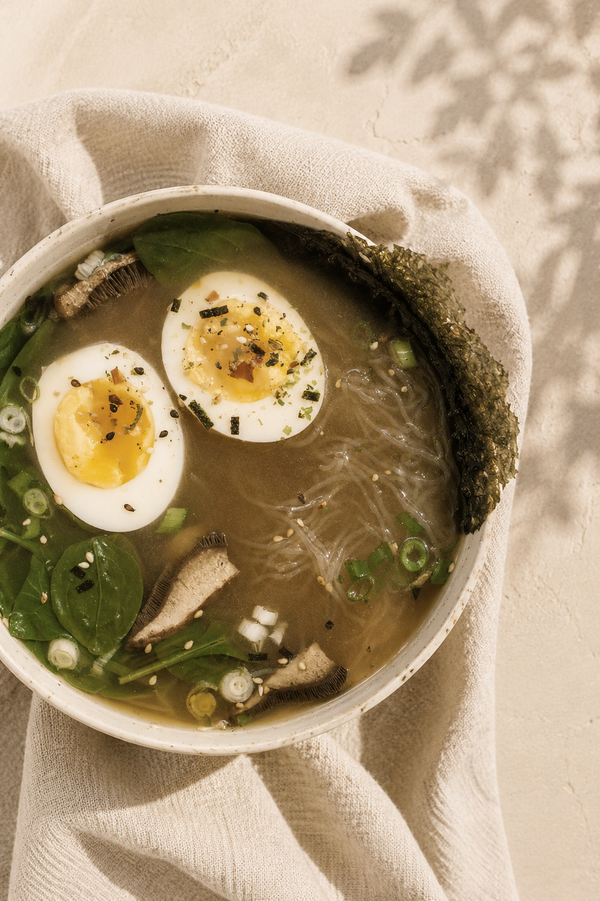
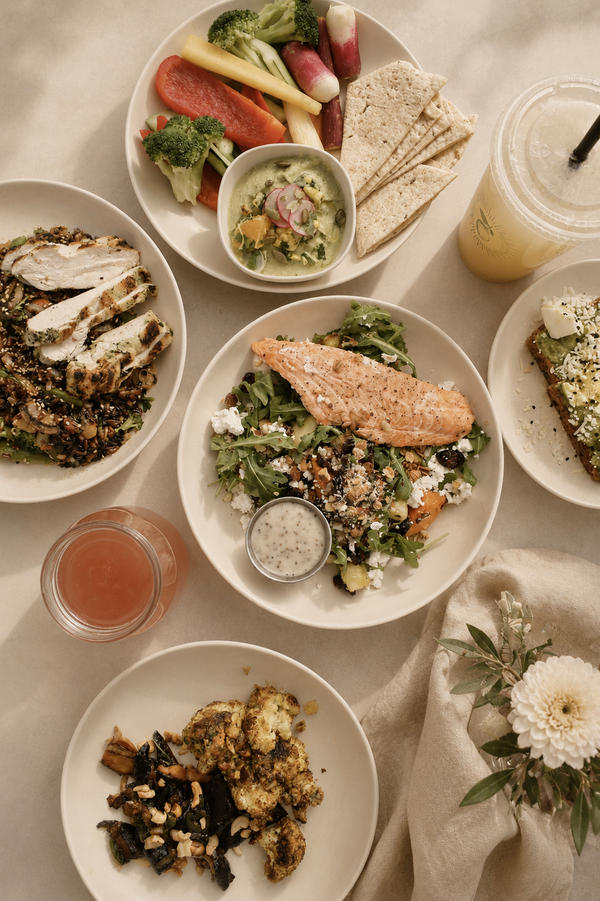
Animal sources: eggs, salmon, sardines, chicken, Greek yoghurt, and cottage cheese. These provide complete amino acid profiles and are among the most bioavailable protein sources available.
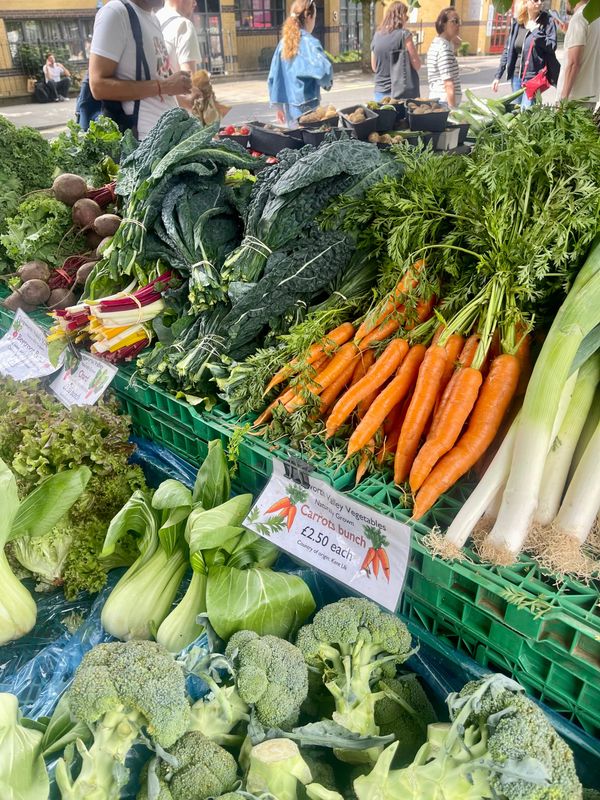
Plant sources: lentils, chickpeas, edamame, tofu, tempeh, quinoa, and hemp seeds.
Combining a variety of plant sources throughout the day ensures you're covering all essential amino acids.
Practical tip: Aim to include a quality protein source at every meal rather than trying to hit your target in one sitting. Your body absorbs and uses protein more efficiently when it's distributed across the day.
Protein is not just a fitness nutrient. For women in their 30s, it is one of the most important dietary levers for maintaining muscle, supporting hormonal balance, stabilising blood sugar, and building the foundation for how you feel and function in the decades ahead.
The standard recommendations were set for a floor, not a ceiling. Eating more, not less, is one of the most evidence-backed things you can do for your long-term health.