The best foods for collagen production, backed by science

– 3 min read

Fine lines, lost plumpness, skin that doesn't quite bounce back the way it used to. If you've typed any of this into Google, 'collagen' has probably come up as the answer, and while the wellness world has made collagen sound like a magic fix the science tells a more nuanced story.
Collagen: quick summary
Collagen is the body's most abundant protein, giving structure to skin, joints, and bones, but eating collagen-rich foods directly doesn't work the way most people assume.
Your takeaway: eating collagen rich foods alone won't transform your skin. Build a diet rich in vitamin C, zinc, copper, and protein to support your body's own collagen production, and add a quality supplement if you want to go further. Neither replaces the other.
Think of collagen as your body's scaffolding. It's a strong, fibrous protein made from amino acids that holds your connective tissues together, keeping skin firm, joints flexible, and bones strong. it's the most abundant protein in the human body, and its decline as we age is one of the key reasons skin loses its structure and elasticity over time.
What matters more is giving your body the specific nutrients it needs to produce its own collagen. and that's where food becomes genuinely powerful.
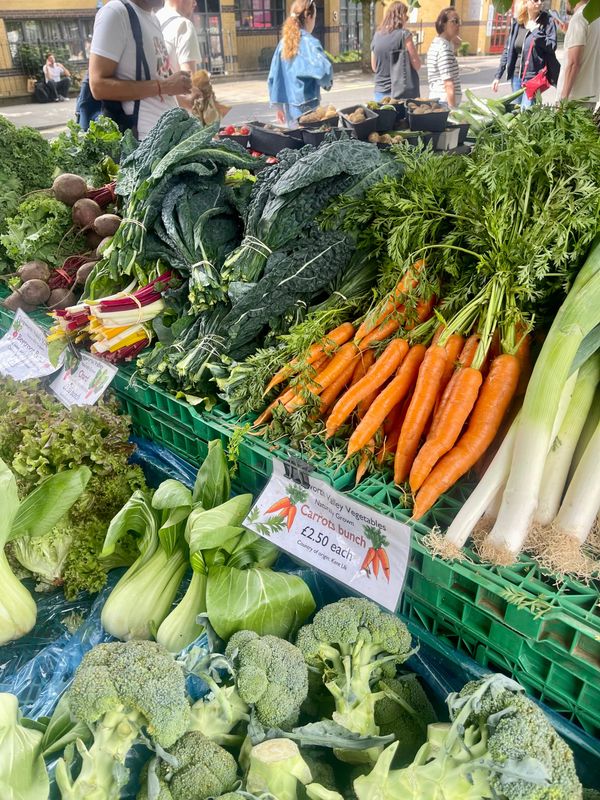
These aren't collagen rich foods. They're collagen supporting foods. The distinction matters. Vitamin C is essential for collagen synthesis, without it, your body simply can't produce collagen efficiently. Citrus fruits, strawberries, kiwi, bell peppers, and broccoli are all excellent sources. This is one of the most evidence backed nutrients for skin health.
Zinc rich foods: zinc plays a direct role in collagen formation and wound healing. Find it in pumpkin seeds, almonds, sunflower seeds, chickpeas, and eggs.
Copper sources: copper helps stabilise collagen structure and supports the enzymes involved in its production. Nuts, seeds, dark leafy greens, and dark chocolate are all good sources.
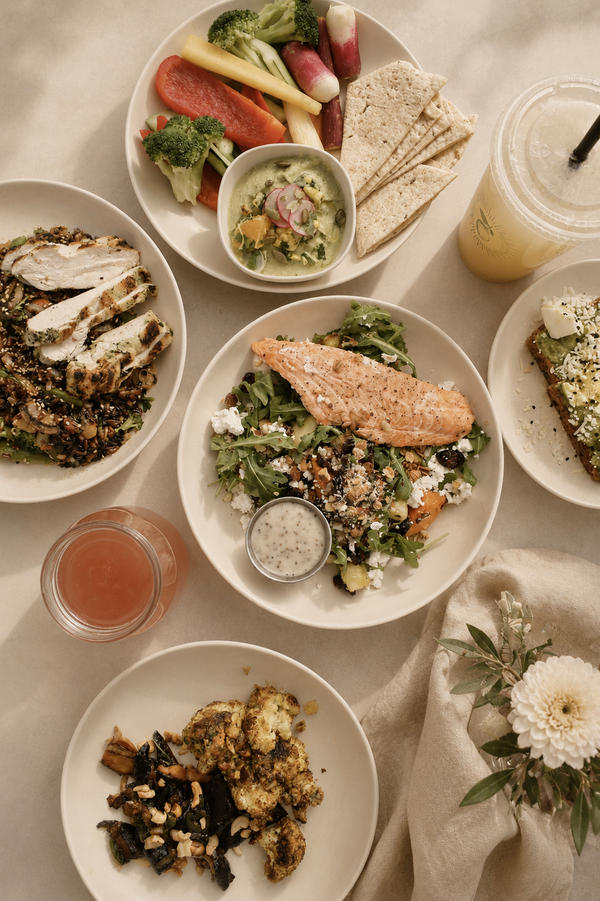
Protein rich foods: collagen is made from amino acids, specifically glycine, proline, and hydroxyproline. A diet rich in quality protein from eggs, fish, legumes, and meat gives your body the raw materials it needs.
Garlic: an overlooked one. Garlic contains sulphur, which supports collagen stability and helps prevent its breakdown.
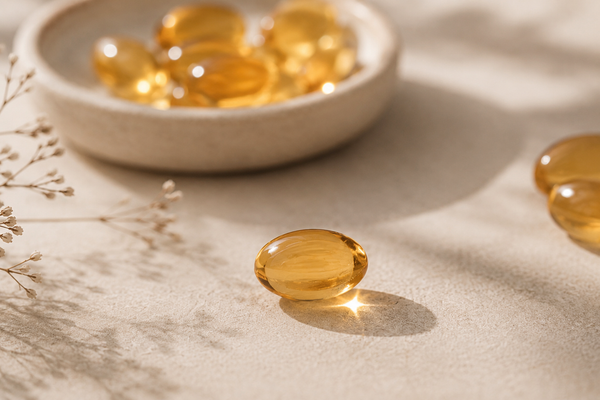
Unlike eating whole collagen foods, hydrolysed collagen supplements, also called collagen peptides, are broken down into smaller particles that are easier for the body to absorb and use. Several studies suggest they can make a meaningful difference to skin elasticity, hydration, and the appearance of fine lines.
In a review of over 1,000 participants, those who consistently took collagen supplements reported firmer, more hydrated skin with fewer visible wrinkles over time. Specific peptides, prolylhydroxyproline and hydroxyprolylglycine, appear particularly effective at improving skin texture and moisture.
The evidence is still growing and more long term studies are needed but the early results are promising, particularly for women looking to support their skin from the inside out.
Eating collagen rich foods alone is unlikely to directly improve your skin but building a diet rich in vitamin C, zinc, copper, and quality protein gives your body everything it needs to produce collagen on its own terms.
Add in a high quality collagen supplement if you want to go further and remember no supplement replaces the foundation of a nutrient dense diet.