What Should You Actually Eat If You Have PCOS?
What actually helps with PCOS, according to a hormone health coach..
– 3 min read

What actually helps with PCOS, according to a hormone health coach..
You may notice we refer to PCOS as PMOS throughout this article. In May 2026, PCOS was formally renamed PMOS (polyendocrine metabolic ovarian syndrome), reflecting the condition’s impact across the whole body, not just the ovaries. If you were diagnosed with PCOS, your diagnosis hasn’t changed, just the name.
Many women with PMOS carry a history of disordered eating and a complicated relationship with food.
This is often the result of years of diet culture, restrictive advice or being told to simply “eat less and move more.”
So the starting point for any PMOS nutrition strategy isn’t another meal plan. It’s becoming neutral. There aren’t “good” or “bad” foods and there is space in a PMOS eating plan for all foods.
With that being said, there are foods that are going to move us towards are health goals, so we want to centre our diet around these. The goal here isn’t to restrict ourselves or cut out a bunch of food groups unnecessarily.
The goal is to add loads of nourishing, delicious plants in, whilst still leaving room for the occasional tiramisu on holiday!
PMOS was renamed in part because the metabolic side of the condition had been overlooked for decades. Metabolism is powerfully influenced by what we eat and in PMOS, getting this right matters more than usual. Left unmanaged, PMOS can progress toward type 2 diabetes, heart disease, and a range of fertility issues. Nutrition is one of the most direct levers we have to change that trajectory.
Stable blood sugar is foundational in PMOS, and it rests on three habits.
• Protein at every meal especially breakfast: Breakfast sets the tone for blood sugar for the rest of the day, so aim for roughly 30g of protein at that first meal.
Prioritise higher-quality sources where you can: free-range eggs, free-range chicken, quality beef, and good fish.
• Fibre from carbohydrates: Do not cut carbohydrates. Carbohydrates are our only source of fibre, which is exactly why the “cut carbs for PMOS” advice circulating online is a myth.
The NHS recommends 30g of fibre a day; in PMOS, we want to push closer to 35–40g. In practice, a blood-sugar-balancing meal looks like roughly 30g of protein and 10g of fibre. Beans, lentils, chickpeas, and butter beans are some of the richest and most accessible sources, alongside plenty of fruit and vegetables.
The gut has a significant influence on hormone signalling as well as our levels of inflammation, which makes it our second PMOS eating pillar. There are a few ways you can eat to improve your gut health and inflammation.
• Omega-3s from oily fish: salmon, mackerel, sardines, and herring are excellent, regular additions. If you do not eat fish, you can use algae oil supplements.
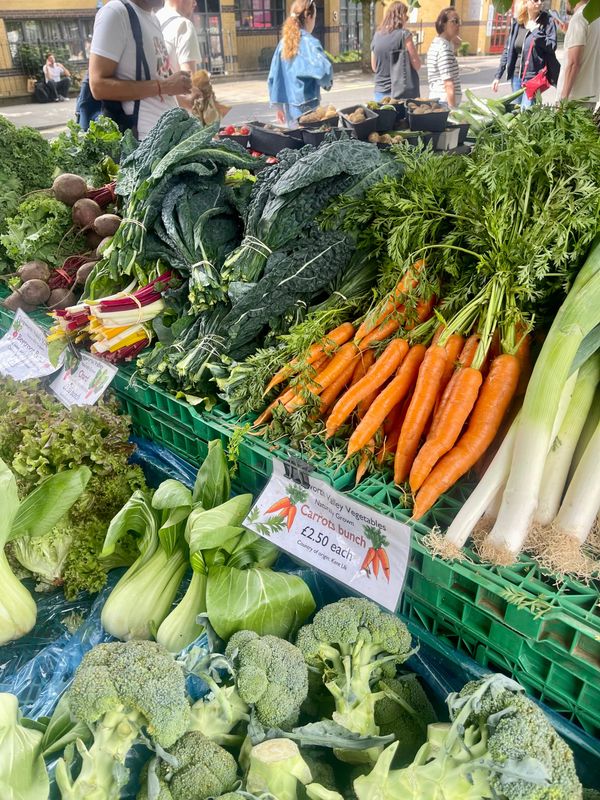
• Vegetables, and lots of them: Aim for around 8-10 servings of vegetables per day to get a great range of micronutrients, to feel fuller for longer and to promote a healthy gut microbiome.
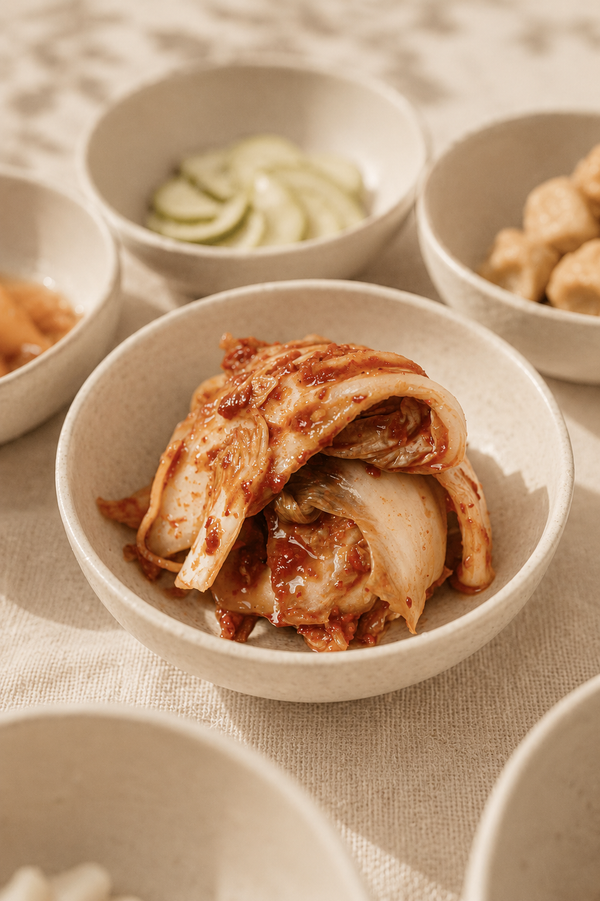
• Fermented foods: Fermented foods such as yoghurts, kefir, sauerkraut and kimchi act as probiotics which may improve levels of healthy bacteria in the gut.
Ultra-processed foods do three unhelpful things at once: they drive inflammation, they interfere with satiety signals (which are already disrupted in PMOS due to insulin resistance) and they’re calorie-dense while being nutrient-poor, meaning it’s easy to eat a lot of them without ever feeling satisfied or nourished.
Often times ultra processed foods are ‘health washed’ with labels claiming they are ‘high protein’ or ‘high fibre’ making them seem like good options.
The key here is to read the ingredients label. Rather than eating these ultra processed foods, look for a whole food version that does the same job.
For example, rather than an ultra processed high protein yoghurt, have Greek yoghurt which is equally high in protein. Rather than eating a ‘high fibre’ cereal that is full of sugars and other strange ingredients, have a chia seed pudding which is equally high in fibre.
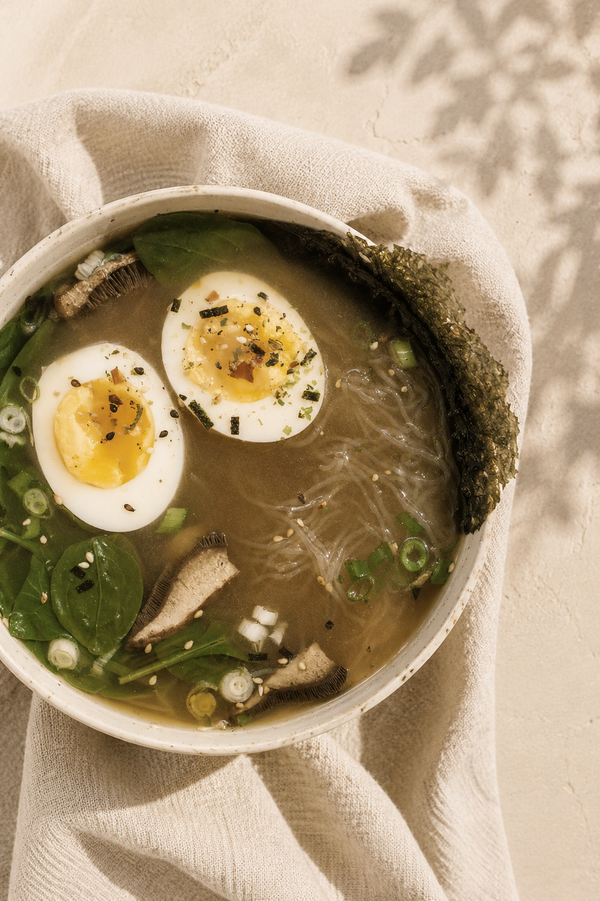
A PMOS-friendly plate includes a quality protein source, a fibre-rich carbohydrate (think beans, lentils, or whole grains), and a generous portion of non-starchy vegetables. None of this requires perfection or an all-or-nothing approach. Blood sugar balance, anti-inflammatory choices, and fewer ultra-processed foods, layered consistently, are what move the needle for PMOS.
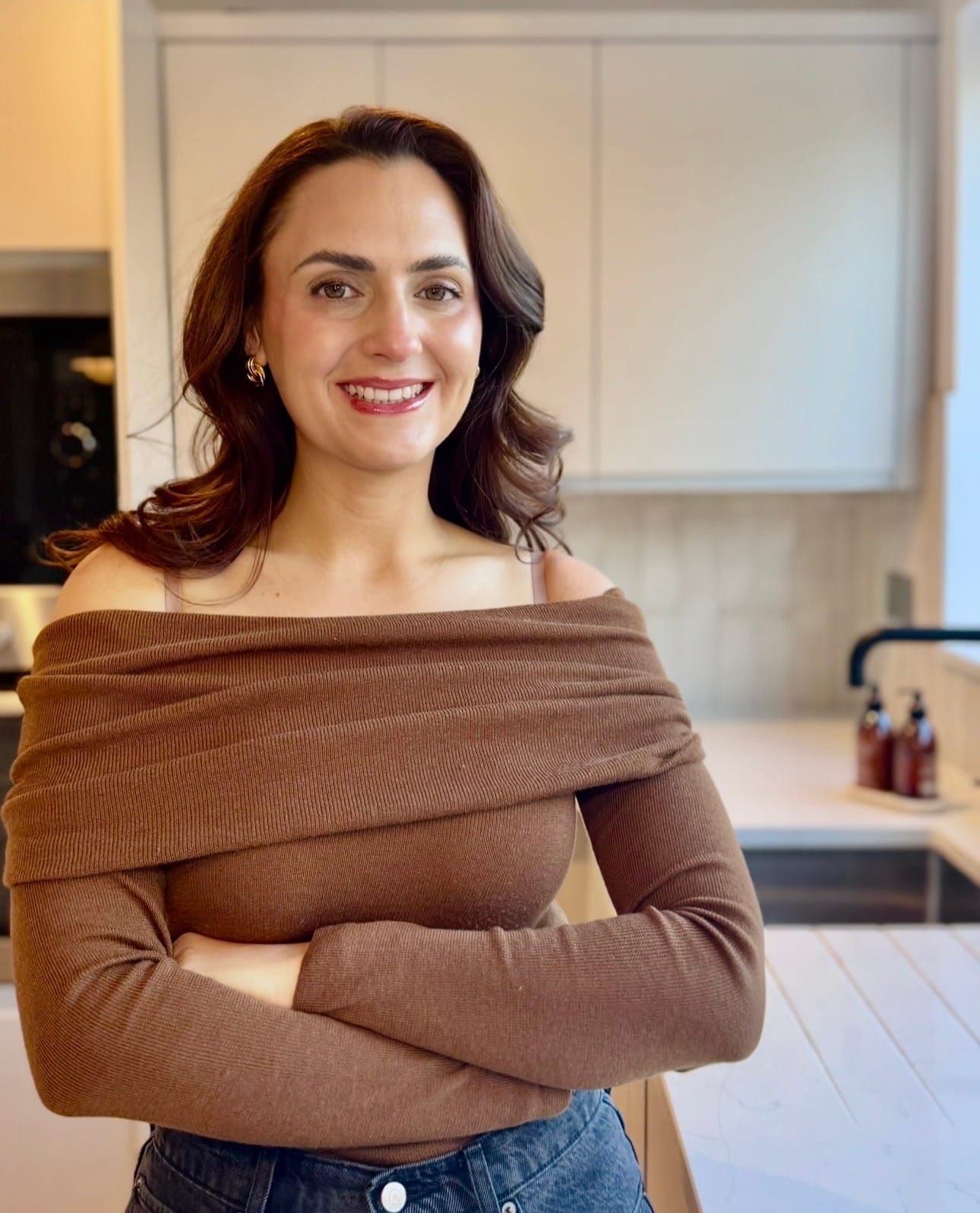
Mel is a Women’s Hormonal Health and Nutrition Coach specialising in PMOS. After spending over a decade navigating the medical system and eventually receiving a PMOS diagnosis, she was told she would never be able to conceive without assistance.
This prompted her to learn everything she could about managing PMOS, eventually leading her to train at both the Integrative Institute of Nutrition and the Integrative Women’s Health Institute. She reversed her symptoms through nutrition and lifestyle changes and went on to conceive her son naturally.
Want more support? Mel offers a free 4 week starting guide, Her PCOS Reset, and runs Her PCOS Method®, a 12 week coaching programme for women ready to go deeper.
Follow her on TikTok and on her website for more PMOS content.