5 foods that feed your microbiome every single day

– 3 min read

Your gut microbiome, the trillions of bacteria, fungi, and microorganisms living in your digestive tract, is one of the most researched areas in nutrition science right now. And for good reason. A well-fed microbiome affects everything from your digestion and immunity to your mood, your skin, and your hormones.
Your gut microbiome affects far more than digestion, it's linked to immunity, mood, skin, and hormones. Here are five well-researched foods worth eating regularly.
Your takeaway: you don't need to overhaul your diet. Pick two or three of these foods and eat them most days. Consistency matters more than perfection when it comes to your microbiome.
Kefir is a fermented milk drink packed with live bacteria strains, many of which survive the journey to your gut intact. A landmark study published in Cell (Wastyk et al., 2021) found that a diet high in fermented foods significantly increased microbiome diversity and reduced markers of inflammation, with kefir among the top performing foods.
One small glass a day, added to a smoothie or drunk straight, is enough to make a difference. Look for plain, unsweetened versions to avoid added sugar undoing the benefit.
Garlic is a prebiotic, meaning it feeds the beneficial bacteria already living in your gut rather than adding new ones. It is rich in fructooligosaccharides, a type of fibre that selectively stimulates the growth of Lactobacillus and Bifidobacterium strains, two of the most studied beneficial bacterial families (Niness, 1999).
Raw garlic has the highest prebiotic activity, but cooked garlic still contributes. Adding it to dressings, sauces, or roasted vegetables is one of the simplest daily gut health habits you can build.
Oats contain a specific type of soluble fibre called beta glucan, which is fermented by gut bacteria to produce short chain fatty acids (SCFAs). SCFAs, particularly butyrate, are the primary fuel source for the cells lining your gut wall and play a key role in reducing intestinal inflammation (Slavin, 2013).
A portion of porridge or overnight oats in the morning is one of the most cost effective gut health investments you can make. Steel cut oats have a slightly higher fibre content than instant varieties.
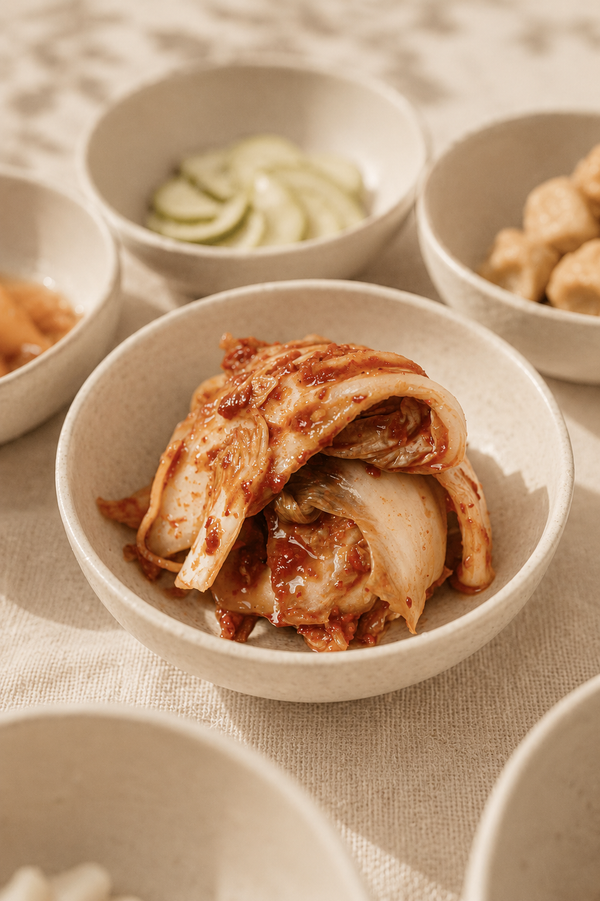
Sauerkraut is fermented cabbage and one of the oldest gut health foods in existence. It is a source of live Lactobacillus bacteria as well as fibre, vitamin C, and vitamin K2. Research has shown that regular consumption of fermented vegetables supports microbiome diversity, which is one of the strongest indicators of gut health overall (Marco et al., 2017).
Buy it refrigerated rather than shelf stable. The pasteurisation process used in shelf stable versions kills the live cultures. A forkful alongside a meal is all you need.
Lentils are one of the richest plant sources of prebiotic fibre available, and they are also an excellent source of iron, folate, and plant protein. The fibre in lentils feeds a broad range of bacterial species, supporting the kind of microbiome diversity associated with better metabolic and immune health (Baxter et al., 2019).
They are also one of the most affordable foods on this list. Red lentils cook in under 20 minutes without soaking and work in everything from soups to dahls to salad toppers.
You do not need to overhaul your diet to support your gut. Pick two or three of these foods and find a way to eat them most days. Consistency matters far more than perfection when it comes to your microbiome.
Want to go deeper? Join the boops newsletter, free, for evidence based nutrition guidance written for women, not at them. Subscribe on Substack →
References
Baxter, N.T. et al. (2019) Dynamics of Human Gut Microbiota and Short Chain Fatty Acids in Response to Dietary Interventions with Three Fermentable Fibres. mBio, 10(1).
Marco, M.L. et al. (2017) Health benefits of fermented foods: microbiota and beyond. Current Opinion in Biotechnology, 44, pp.94–102.
Niness, K.R. (1999) Inulin and oligofructose: what are they? Journal of Nutrition, 129(7), pp.1402S–1406S.
Slavin, J. (2013) Fiber and Prebiotics: Mechanisms and Health Benefits. Nutrients, 5(4), pp.1417–1435.
Wastyk, H.C. et al. (2021) Gut microbiota targeted diets modulate human immune status. Cell, 184(16), pp.4137–4153.